


The Space & Craftsman's Brief
Clery Sage & Oakmoss
Sherwin-Williams SW 6178, SW 6180
Alabaster
Sherwin-Williams SW 7008
Pashmina
Benjamin Moore AF-100
Black Fox
Sherwin-Williams SW 7020
Walk up the concrete steps of Reg’s home in our project area, and the first thing that grabs your attention is the recessed front porch lined in warm, horizontal natural wood planks. It is an inviting architectural detail, flanked by a sandstone-colored block foundation and a mature canopy of deciduous trees that drop a carpet of burnt-orange leaves across the yard every autumn.
Before our crew arrived, the home's weathered aluminum siding felt disconnected from these organic textures. Oxidation had flattened the original finish, leaving the lap boards looking chalky and tired. Reg was getting the property ready for the market and understood a fundamental truth of residential design: prospective buyers form their emotional baseline before they ever turn the front doorknob. If the exterior looks neglected, they assume the mechanicals and the interior received the same treatment.
We brought Reg into our Color Studio to map out a strategy that would honor the home's classic bungalow proportions while giving the aluminum siding a factory-grade renewal. Rather than defaulting to a safe, sterile white or a trendy charcoal that would fight the warm tones of the foundation stone, we leaned directly into the surrounding landscape. We specified Sherwin-Williams Clary Sage (SW 6178) for the main lap siding and paired it with a deeper, saturated cousin—Sherwin-Williams Oakmoss (SW 6180)—across all the window casings, fascia, soffits, and downspouts.
See Clery Sage & Oakmoss on Your Own Walls in 15 Seconds
Sherwin-Williams SW 6178, SW 6180 • LRV 41, 19 • #B3AE95

Color Theory Deep-Dive: Light, Undertone, and Architectural Weight
Putting green on an exterior is a balancing act. Without enough gray or brown in the base, an exterior green can easily veer into minty or neon territory once the midday sun hits it. Aluminum siding amplifies this risk because its flat, uniform planes bounce a tremendous amount of light back toward the street.
Sherwin-Williams Clary Sage (SW 6178) avoids that trap through its grounded yellow-gray undertone. With a Light Reflectance Value (LRV) of 41, it sits right in the sweet spot for an exterior body color. It has enough body to hold its hue under bright, direct afternoon sun without washing out, yet it reflects enough ambient light on overcast mornings to keep the bungalow from feeling heavy or cavernous. When the crisp morning light filters through the trees from the east, the earthy gray notes in Clary Sage come forward, cooling down the facade. By late afternoon, as the sun drops and warms up, the subtle olive and yellow undertones wake up, creating a seamless visual bridge to the amber tones of the natural wood porch planking and the tan foundation blocks.

To give the architecture proper definition, we needed a trim color with serious visual weight. Sherwin-Williams Oakmoss (SW 6180) clocks in at an LRV of 19. Because it shares the same warm, mossy olive DNA as Clary Sage, it frames the windows and gable vents without creating the harsh, choppy visual breaks you get from bright white trim.
Notice how Oakmoss behaves around the enclosed front porch windows and the interior entry light. When those interior 3000K warm bulbs flick on at dusk, the deep olive frames absorb the glare and frame the warm wood interior like a shadowbox. Wrapping the gutters and downspouts in Oakmoss was another deliberate move; instead of letting aluminum drainage pipes slice vertically through the siding in stark white, they now read as intentional structural columns that anchor the roof line to the foundation.

Coordinating Palettes: Extending the Scheme
When you build an exterior around earthy botanicals like Clary Sage and Oakmoss, every adjacent surface—from the storm door to the porch ceiling to the interior foyer just beyond the threshold—needs to speak the same warm language. Clean, cool grays or stark blu-ish whites will clash immediately with these olive undertones.
Here is how we build out a complete architectural specification around this pairing:
- Trim & Anchor Neutral: Sherwin-Williams Alabaster (SW 7008 | #EDEAE0). If you want to lighten up porch ceilings, interior window sashes, or an adjacent detached garage without introducing a jarring stark white, Alabaster is the move. Its soft, warm undertone respects the yellow-green base of Clary Sage.
- Mid-Tone Bridge: Benjamin Moore Pashmina (AF-100 | #BBB2A1). For interior entryways visible through the front glass, or for painting concrete foundation walls and porch floors, Pashmina acts as a stone-like taupe-gray bridge. It echoes the natural mortar and sandstone hues already present at the base of Reg’s home.
- Contrast & Hardware Accent: Sherwin-Williams Black Fox (SW 7020 | #4F4842). Rather than using a cold carbon black for light fixtures, mailboxes, or metal railings, Black Fox introduces a deep, blackened bronze-brown. It ties directly into the dark charcoal roof shingles and the rich grain of the wood entry wall.

Craftsman Field Notes: Restoring Weathered Aluminum
Painting aluminum siding is all about surface chemistry and mechanical control. As aluminum sits in the sun and rain for decades, the factory baked-on enamel breaks down, leaving a fine layer of chalky oxidation on the surface. If you spray topcoat directly over that chalk, the paint bonds to the loose powder rather than the metal, and you will see peeling within two seasons.
Jose and Inaí ran point on the field execution for this project, and their prep work is the reason this finish looks like new factory coil stock.
First, the entire exterior had to be thoroughly washed down to strip away years of chalking, airborne dirt, and mildew spores hiding under the lap overlaps. Once the metal was completely clean and dry, you can see in our field photos how much time Jose and Inaí invested in masking before a single drop of green paint was atomized. Every window pane was sealed off with plastic sheeting and tape, the concrete porch deck was tarped, and the underside of the back patio awning was completely enveloped to prevent overspray drift.

Watch the technique in the action shots: Jose and Inaí established the deep Oakmoss trim first—using a handheld spray shield high up on the A-frame ladder around the electrical weatherhead and fascia boards to keep dark green mist off the roof shingles and neighboring siding. Once the trim and window casings were dialed in and masked off, they came back across the main field with the airless sprayer loaded with Clary Sage.

On aluminum lap siding, spray application is mandatory if you want a smooth, non-textured finish, but it requires strict discipline. You have to maintain a consistent gun distance perpendicular to the wall, overlapping each pass by 50 percent, and angling slightly upward on the first pass to catch the bottom lip of each aluminum course before flattening out on the second coat. We selected a low-luster satin sheen for the siding—high enough to shed rainwater and resist dirt pickup under those heavy autumn trees, but flat enough to hide the minor dings and thermal expansion waves that naturally occur in older metal siding.
The result is a tight, weather-resistant shell that looks entirely natural in its neighborhood setting. Reg’s home hits the market with its architectural details sharp, its materials unified, and the unmistakable stamp of two craftsmen who know how to handle a spray gun.
Complementary Color Consultation
Planning a project? Work with Torlando Hakes directly as your personal Color Designer and get a Complementary Consultation when purchasing paint through us.
Sherwin-Williams Clery Sage & Oakmoss (SW 6178, SW 6180) — Technical Summary
- LRV
- 41, 19
- Code
- SW 6178, SW 6180
- Undertone Profile
- muted green, earthy gray, olive
Getting Clery Sage & Oakmoss Right Under Your Home's Light
Join 1,650+ homeowners, designers, and architects receiving our curated dispatches every 10 days (1st, 11th & 21st) on field stories, LRV, undertones, and trim pairings.
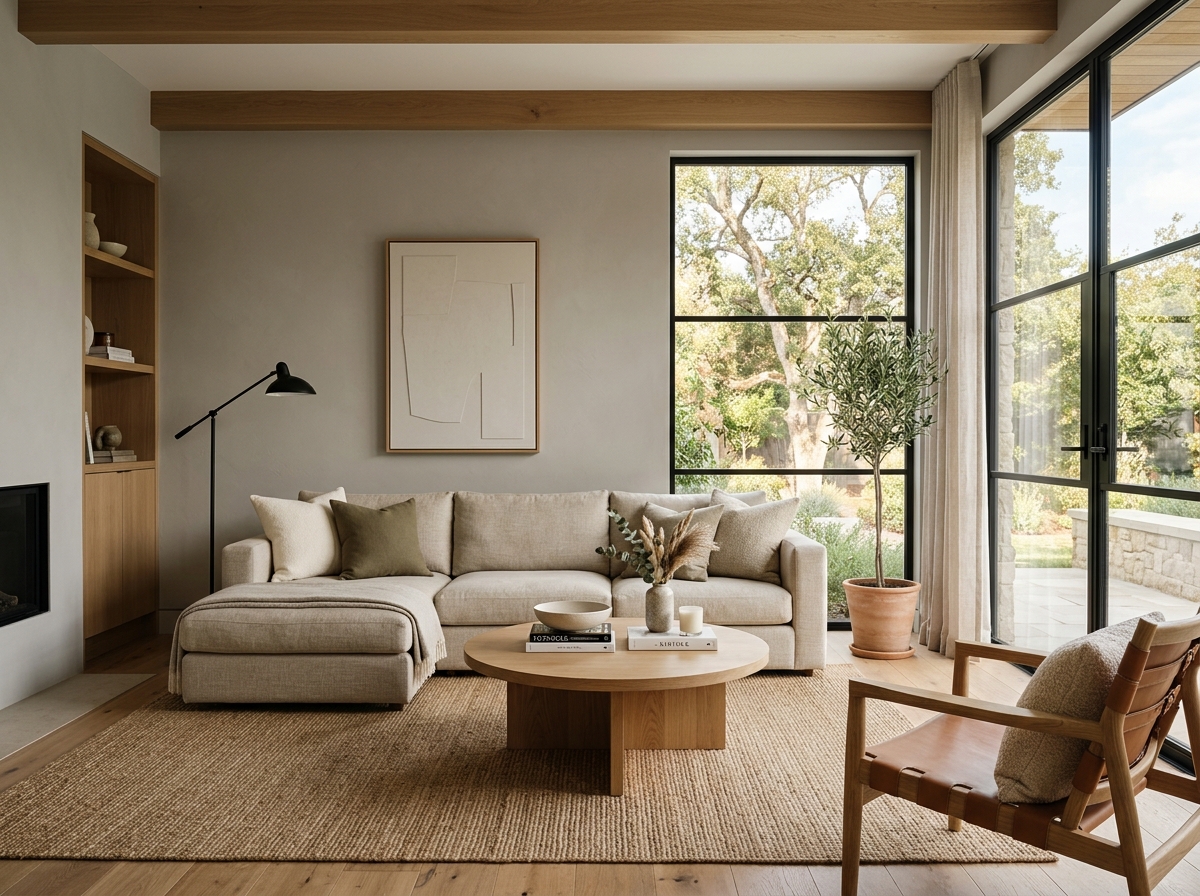 After
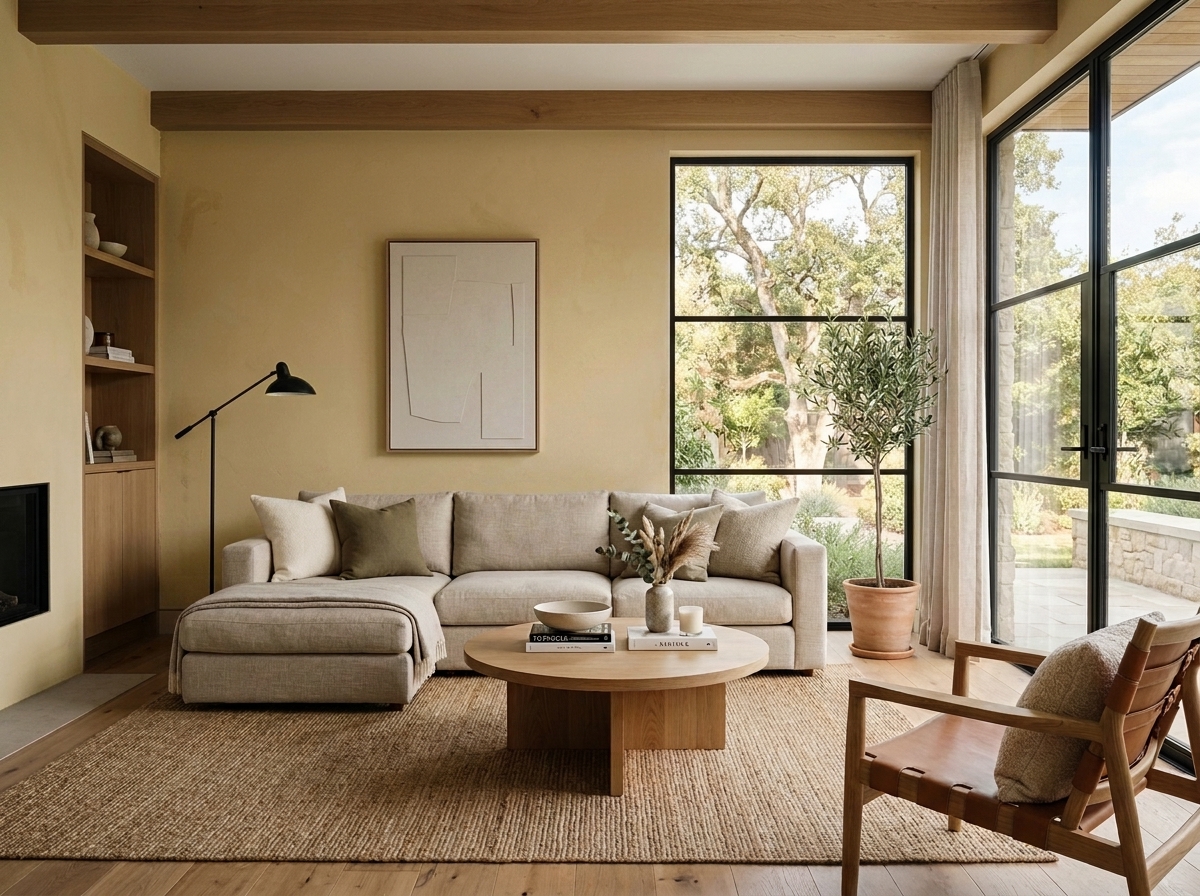 Before
Visualize Your Space with Color Studio AI
Planning a project? Skip the paint chip guesswork. Use our Color Studio AI to instantly visualize these paint colors on your own walls, or take advantage of our aligned contractor pricing matching current Sherwin-Williams retail promotions.
Book Your Upcoming Paint Project
Craftsman Painter is now scheduling premium transformations. Reserve an on-site consultation or instant video walkthrough.
Get an Estimate →Related Color & Design Studies

Warm Gray and Muted Green Converge in the Quiet Depth of Sherwin-Williams Ellsworth (SW 7650)

Velvety Shadows and Intimate Evening Dining Wrapped in Benjamin Moore Secret AF-710

Crisp Trim and Warm Timber Find Their Quiet Counterpart in Sherwin-Williams Nonchalant White SW 6161
Help Others Find Professional Color Insights
Share this story directly to your networks or copy the link to share with friends.