

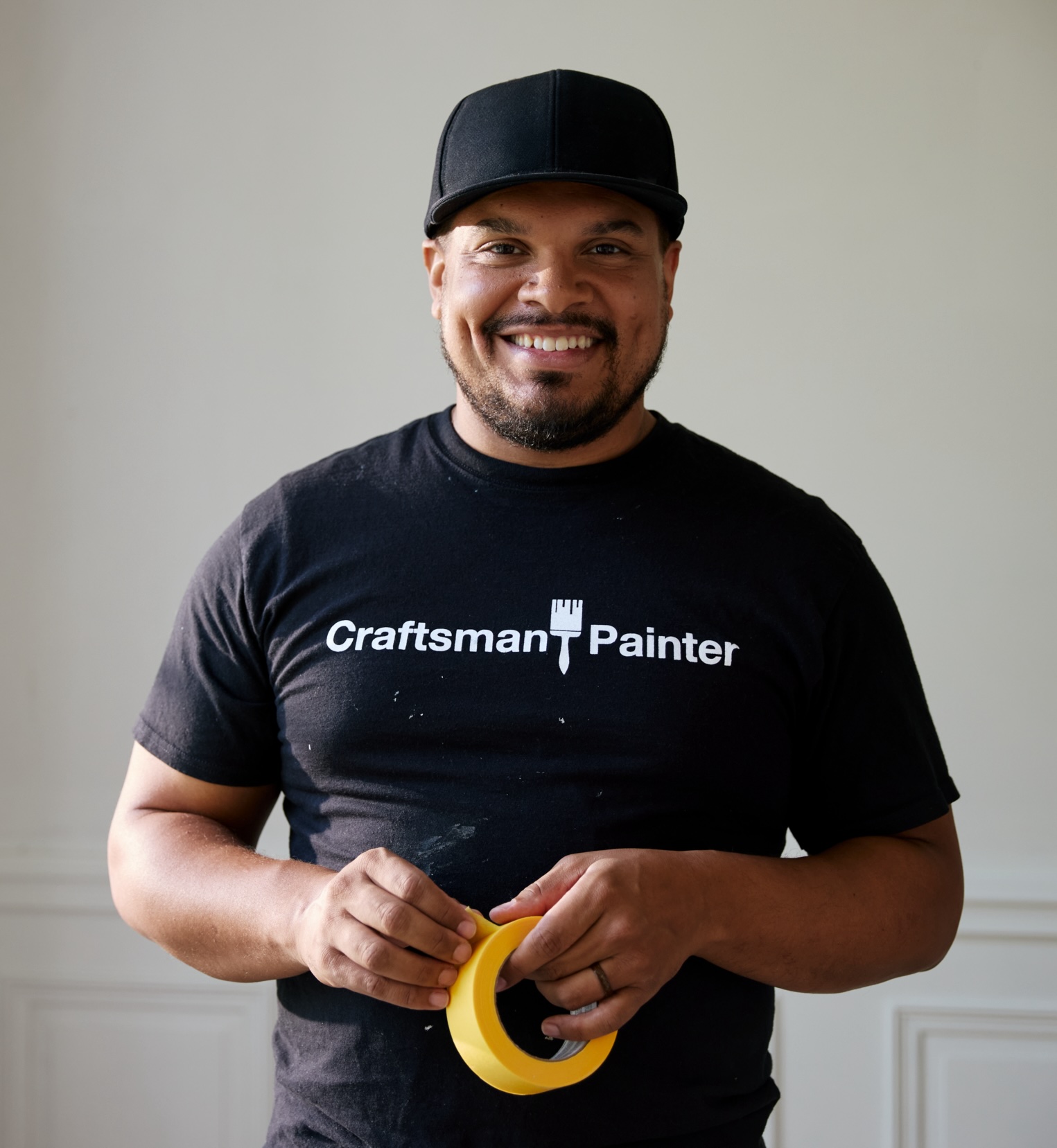
The brick is actively crumbling.
I consult on building restoration and substrate integrity across the country, and I know exactly what causes this. A previous owner tried to seal that brick. They walked into a hardware store, asked for the most heavy-duty masonry coating available, and walked out with elastomeric paint.
The Indianapolis Freeze-Thaw Trap
Historic brick is inherently soft and highly porous. It acts like a hard sponge, continuously absorbing ambient humidity, ground moisture, and interior condensation. In a climate like Indianapolis, homes face severe and rapid temperature swings. The masonry absorbs water during a wet, mild afternoon, and that same water freezes solid overnight.

Work Directly with Torlando Hakes
Skip the color choice stress. Work directly with me as your personal Color Designer to select the perfect architectural palette for your home, and get a Complementary Color Consultation when you purchase paint through us.
Elastomeric paint is essentially liquid rubber. Manufacturers design it to stretch, bridge small gaps, and create a thick, waterproof membrane on the surface of a wall. Applying this thick plastic film to historic masonry traps all the inherent moisture inside the wall system. The brick can no longer dry out.

The Mechanics of Spalling
When the temperature drops below freezing in the Midwest, the trapped water inside that brick turns into ice. Water expands by roughly nine percent when it freezes. Because the heavy elastomeric coating forms an impenetrable barrier, the expanding ice has nowhere to go. The hydraulic pressure builds up behind the surface of the brick until it violently forces the face of the masonry right off the wall.
We call this structural failure spalling.
You are left with a dining room wall that continually sheds chunks of raw clay, pulverized mortar, and thick sheets of rubbery paint. The structural integrity of the wall degrades with every winter storm. You cannot patch over this damage. You have to remove the cause of the failure.

Stripping the Damage Away
Fixing a spalling masonry wall requires aggressive, meticulous preparation. We have to strip the rubber coating entirely off the substrate.
Contractors often attempt to sand or grind this paint away, which only damages the soft historic brick further. Instead, we rely on heavy-duty chemical strippers, low-pressure micro-abrasion, and painstaking manual scraping to break the bond of the elastomeric paint. We extract the plastic membrane from the pores of the clay. Once the raw brick is exposed, we rake out the failed, crumbling mortar joints and repoint them with a historically accurate, lime-based mortar that matches the original compressive strength of the wall.

The Vapor-Permeable Silicate Solution
Once the masonry is clean and structurally sound, we apply potassium silicate paint.
Silicate paint works entirely differently than standard acrylic or elastomeric coatings. It does not form a film on the surface of the wall. Instead, the liquid potassium silicate penetrates the porous brick and triggers a chemical reaction. It petrifies into the masonry, creating a permanent, micro-crystalline bond with the substrate. We call this process silicification.
Because silicate paint lacks a plastic binder, it remains entirely vapor-permeable. It allows the brick to breathe. Water vapor passes straight through the coating and evaporates harmlessly into the air. The brick stays dry inside, eliminating the hydraulic pressure that causes freeze-thaw damage.

Restoring the Dining Space
Your dining area provides the foundational gathering space for your home. It requires absolute structural stability and clean, durable finishes that withstand decades of use.
Understanding the substrate dictates the success of the finish. By stripping away inappropriate modern plastics and applying traditional, breathable mineral coatings, we stop the decay at the source. The masonry regains its structural integrity. You get a beautiful, timeless dining room that will easily survive the next century of brutal Indianapolis winters.
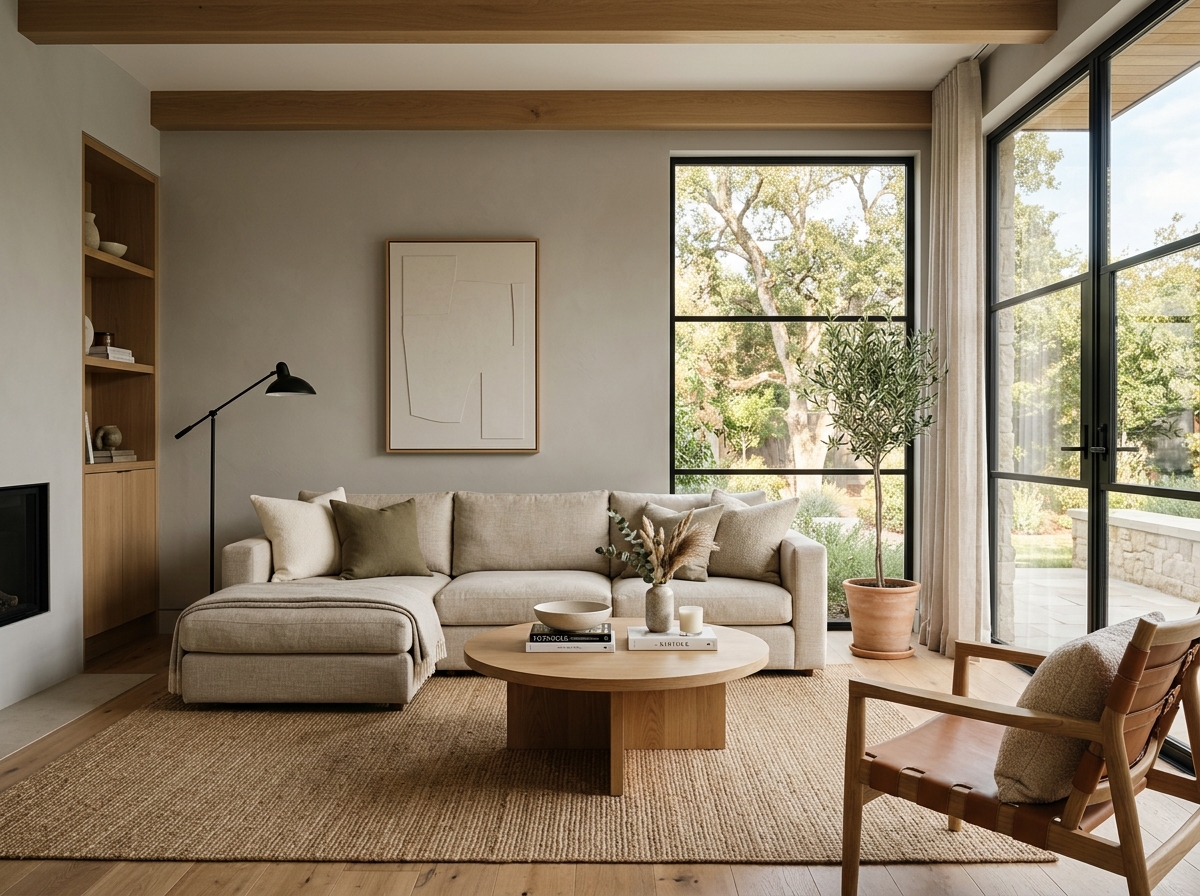 After
After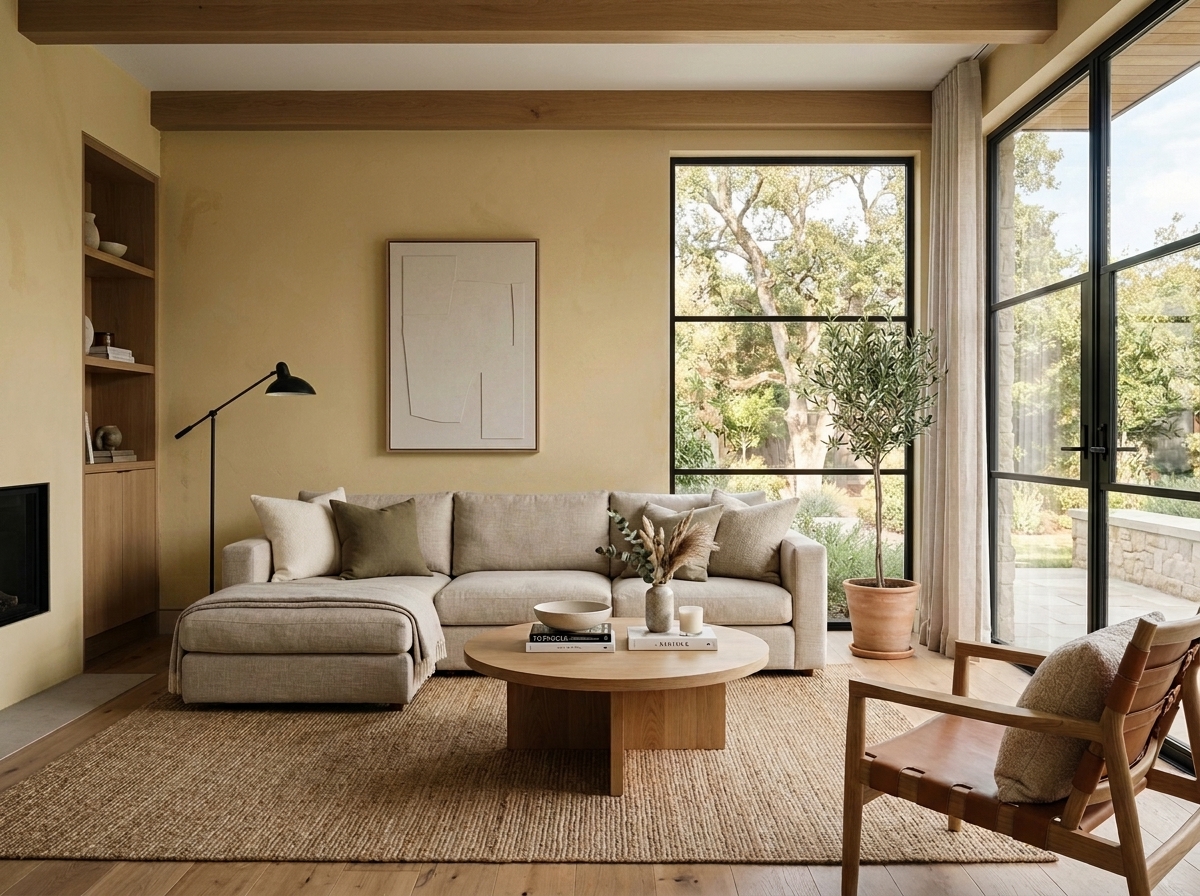 Before
Visualize Your Space with Color Studio AI
Planning a project? Skip the paint chip guesswork. Use our Color Studio AI to instantly visualize these paint colors on your own walls, or take advantage of our aligned contractor pricing matching current Sherwin-Williams retail promotions.
Book Your Upcoming Paint Project
Craftsman Painter is now scheduling premium transformations. Secure your spot and elevate your property value.
Get an EstimateHelp Others Find Professional Color Insights
Share this story directly to your networks or copy the link to share with friends.